Source CE Certified Indoor Electric Carousel for Amusement Parks, Events, and Playgrounds
Find 30 CE certified indoor electric carousel options suitable for amusement parks, indoor rides, and outdoor events. Buyers can compare specifications, power ratings, and customization features to select the right equipment for their venue.
Key considerations
Products List


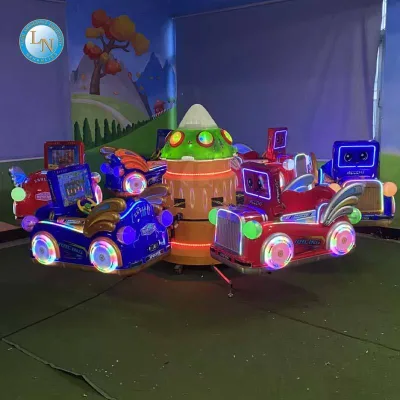
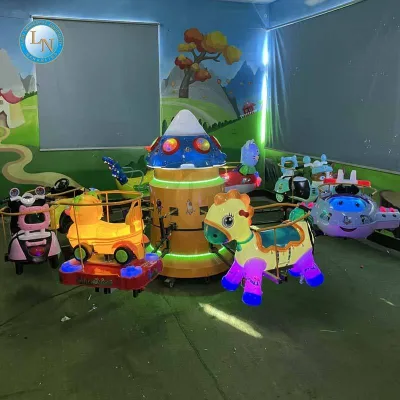


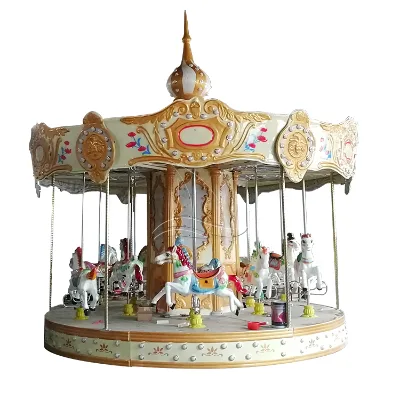


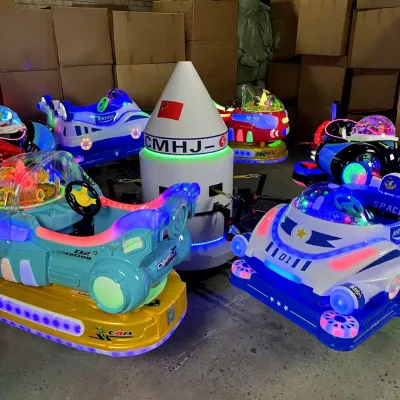
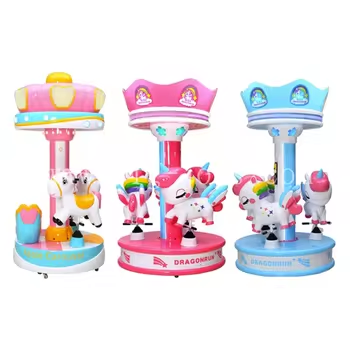
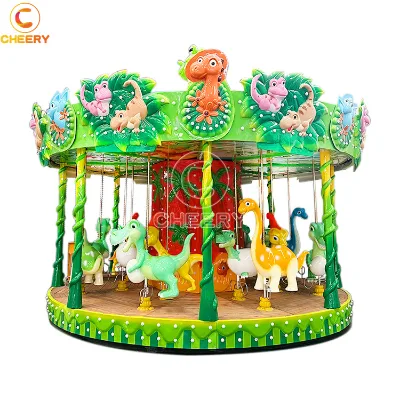
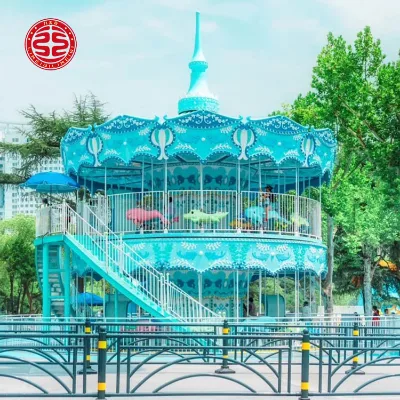
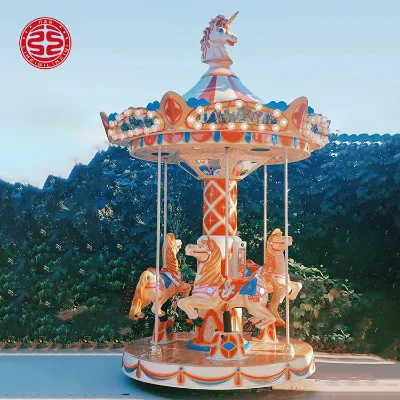
Comprehensive Sourcing Guide
Strategic Sourcing Guide for CE Certified Indoor Electric Carousels
Procuring amusement equipment, specifically a CE certified indoor electric carousel, requires a disciplined approach that balances safety compliance, technical specifications, and operational suitability. The global market for indoor amusement rides is characterized by a wide variance in product configurations, from small-scale commercial units to large custom installations. Buyers must navigate a landscape where product attributes are often listed as observations rather than universal guarantees. This guide provides a structured framework for evaluating potential suppliers and products, ensuring that the final acquisition meets the rigorous demands of indoor environments while adhering to the core requirement of CE certification.
Technical Specifications and Operational Parameters
When evaluating a carousel for indoor deployment, the technical specifications serve as the primary filter for suitability. The power requirements are a critical starting point. Observed data indicates that electric carousels in this category typically operate within a power range of 200W to 500W, with specific models citing 300W or 500W as standard consumption rates. Voltage compatibility is equally vital for indoor settings, where electrical infrastructure may vary. Suppliers often list voltage options such as 220V/380V at 50Hz, which buyers must cross-reference against their local facility's power grid to ensure seamless integration without the need for expensive transformers.
The physical dimensions and weight of the unit dictate the spatial planning required for installation. Standard product models, such as those identified by codes like YM009 or XT03-2, often feature dimensions around 115cm to 120cm in width and depth, with heights ranging from 230cm to 236cm. These measurements are essential for determining floor load capacity and ceiling clearance. The weight of the unit is another significant factor; observed specifications list weights ranging from 150kg to 200kg, with some larger configurations reaching up to 500kg in total capacity. This weight influences the type of flooring required and the logistics of moving the unit into the facility.
Material composition is a defining characteristic of the carousel's durability and aesthetic appeal. The primary body material is frequently listed as PVC or plastic, often combined with fiberglass components for decorative elements like carousel horses. The use of PVC suggests a focus on lightweight construction and ease of cleaning, which is advantageous for indoor environments. However, buyers should verify the specific grade of plastic used, as not all plastic materials offer the same resistance to wear and tear in high-traffic areas. The power type is consistently electric, confirming that these units do not rely on manual operation or alternative fuel sources, which simplifies maintenance and operational control.
Compliance and Certification Verification
The requirement for CE certification is non-negotiable for indoor amusement rides intended for the European market and many other international jurisdictions. The presence of the CE mark indicates that the product conforms to health, safety, and environmental protection standards. In the context of carousels, this certification implies adherence to specific directives regarding machinery safety and low voltage equipment. Buyers must request the actual Certificate of Conformity from the supplier rather than relying solely on the claim that the product is "CE Certified." The documentation should explicitly reference the relevant standards applicable to amusement rides.
While the supplied data mentions CE as a standard attribute, it is crucial to distinguish between a general CE mark and specific compliance with amusement ride standards. The background knowledge suggests that standards such as ASTM F1487 and EN 1176 are relevant to the industry, though specific test results for individual products are not provided in the source data. Therefore, the buyer's responsibility is to verify that the supplier's CE certification covers the specific model being purchased and that the testing was conducted by a recognized body. The certification should cover the electrical safety, mechanical stability, and structural integrity of the carousel.
Furthermore, the certification status should be linked to the specific usage environment. Indoor carousels may have different safety requirements compared to outdoor units, particularly regarding ventilation, fire resistance, and noise levels. The supplier must confirm that the CE certification encompasses the indoor application, including any specific modifications made to the standard model for indoor use. Buyers should also check if the certification is current and has not expired, as regulations and standards are subject to periodic updates.
Cost Drivers and Pricing Structure
The pricing for CE certified indoor electric carousels exhibits a significant range, observed between 550 USD and 300,000 USD. This wide disparity is driven by several factors, including the complexity of the design, the quality of materials, the level of customization, and the scale of the unit. A basic unit with standard dimensions and minimal customization may fall at the lower end of the spectrum, while a large-scale, custom-designed carousel with advanced lighting, sound systems, and premium materials will command a higher price.
Customization is a major cost driver. The availability of customization options allows buyers to tailor the carousel to their specific theme or branding needs. However, custom features such as unique patterns, specific color schemes, or proprietary designs will increase the manufacturing time and cost. The observed data confirms that customization is available, and many products are listed as "Customized" or "OEM/ODM" ready. Buyers should clarify the scope of customization before requesting a quote, as even minor changes can impact the final price.
The MOQ (Minimum Order Quantity) is another factor influencing the cost structure. In the observed data, the MOQ is consistently listed as 1 set, which is favorable for buyers looking to purchase a single unit for a small venue. This low barrier to entry allows for flexibility in procurement, enabling buyers to test the market or equip smaller facilities without committing to large inventory volumes. However, buyers should be aware that while the MOQ is low, the unit price may be higher for single-unit orders compared to bulk purchases, as economies of scale are not realized.
Typical Applications and Usage Scenarios
Indoor electric carousels are versatile assets suitable for a variety of commercial and recreational environments. The primary usage scenarios include amusement parks, shopping malls, family entertainment centers, and indoor play areas. The observed data highlights that these units are designed for both indoor and outdoor use, but the specific focus on indoor applications requires attention to environmental factors such as lighting, temperature control, and space constraints.
The target age range for these carousels varies, with some models designed for children under 3 years old, while others cater to a broader range of 3 to 18 years. This variation necessitates careful selection based on the intended demographic. For instance, a carousel intended for a shopping mall targeting families with young children may require specific safety features and seating arrangements suitable for toddlers. Conversely, a unit for a larger entertainment center might need to accommodate older children and teenagers.
The number of players or seats is another critical consideration. Observed specifications indicate that some models are designed for 3 players, while others may have different seating configurations. The choice of seating arrangement should align with the expected foot traffic and the desired throughput of the ride. A single-seat configuration might be suitable for a niche attraction, whereas a multi-seat carousel would be more efficient for high-volume venues. The max capacity of the unit, often listed in the range of 100kg to 500kg, must also be considered to ensure it can safely accommodate the intended number of passengers.
Supplier Evaluation and Sourcing Strategy
Selecting the right supplier is a critical step in the procurement process. Buyers should prioritize suppliers who demonstrate transparency in their product attributes and provide comprehensive documentation. The origin of the product, often listed as Guangzhou, China, indicates a hub of manufacturing expertise in amusement equipment. However, the location of the supplier does not guarantee quality; buyers must evaluate the supplier's track record, production capabilities, and after-sales support.
Key evaluation criteria include the supplier's ability to provide OEM/ODM services, their warranty terms, and their response to customization requests. The observed data shows that most suppliers offer a 1-year warranty, which is a standard benchmark for this industry. Buyers should verify the extent of the warranty coverage, including what is excluded and the process for claiming repairs or replacements. Additionally, the supplier's ability to handle the packaging and shipping logistics is important, as carousels are often shipped in wooden frames or cases to prevent damage during transit.
Buyers should also assess the supplier's communication and responsiveness. The procurement process involves multiple stages, from initial inquiry to final installation, and a responsive supplier can facilitate a smoother experience. Requesting detailed product catalogs, technical drawings, and certification documents is a standard practice to ensure that the supplier can meet the buyer's specific requirements.
Quality Control and Long-Term Procurement Considerations
Quality control is essential to ensure the longevity and safety of the carousel. The production process should include rigorous testing of electrical components, structural integrity, and mechanical systems. Buyers should inquire about the quality control measures implemented by the supplier, such as factory inspections, pre-shipment testing, and adherence to manufacturing standards. The use of high-quality materials, such as PVC and fiberglass, should be verified to ensure they meet the necessary durability and safety standards.
Long-term procurement considerations include maintenance requirements and the availability of spare parts. The power consumption and voltage specifications should be compatible with the facility's infrastructure to minimize operational costs. Buyers should also consider the ease of cleaning and maintenance, as indoor carousels are subject to frequent use and require regular upkeep. The packaging method, often involving bubble film, stretch film, and wooden frames, should be designed to protect the unit during shipping and storage.
Finally, buyers should plan for the lifecycle of the product. While the initial purchase price is a significant factor, the total cost of ownership includes maintenance, repairs, and potential upgrades. A supplier that offers ongoing support and a reliable supply chain for spare parts is essential for ensuring the carousel remains operational for years. By focusing on these long-term considerations, buyers can make informed decisions that maximize the value and safety of their indoor electric carousel investment.
FAQs
What is the typical power consumption for these units?
Typical power consumption ranges from 200W to 500W depending on the model. Specific units may operate at 300W or 500W, requiring voltage compatibility with 220V or 380V systems.
Which certifications are required for indoor safety compliance?
CE certification is a standard requirement for these indoor electric carousels. Buyers must verify the Certificate of Conformity covers the specific model and indoor application safety standards.
Can the carousel be customized for specific themes?
Yes, customization is available for these units with OEM and ODM services offered. Buyers can request specific colors, patterns, or designs, though this may impact the final price and lead time.
What is the minimum order quantity for a single unit?
The minimum order quantity is typically one set for these carousels. This low barrier allows buyers to purchase a single unit for small venues without committing to bulk inventory.
How heavy are the standard carousel models?
Standard models weigh between 150kg and 200kg, with some configurations reaching higher capacities. This weight influences floor load requirements and the logistics needed for facility installation.
Which age groups are these carousels suitable for?
These units are suitable for various age groups, including children under 3 years and those aged 3 to 18 years. Selection should depend on the specific model's seating and safety features.
What is the standard warranty period for the equipment?
The standard warranty period provided is one year for these carousels. Buyers should verify the specific coverage details and the process for claiming repairs or replacements during this period.